Essential Tools: Understanding the Fishing Book Kdp Interior
If you've ever considered publishing a book about fishing on Amazon's Kindle Direct Publishing platform, you've likely encountered the term "KDP interior" or "book template." This is the structured, pre-designed layout of your book's pages—the interior framework that holds your content. For a fishing enthusiast looking to share their knowledge, a Fishing Book Kdp Interior is a ready-made solution that transforms your manuscript, notes, or logbook into a professionally formatted ebook or paperback.
Why a Pre-Designed Interior Matters to Different Creators
The value of a specialized template like a Fishing Book Kdp Interior isn't universal; it shifts dramatically based on who is using it and what they aim to achieve. A hobbyist writing a personal fishing memoir might prioritize simplicity and a clean presentation. An entrepreneur building a series of low-content fishing logbooks for sale cares deeply about commercial efficiency and scalability. Meanwhile, an educator compiling a fishing guide for a local community group might focus on clarity and the ability to easily insert instructional diagrams.
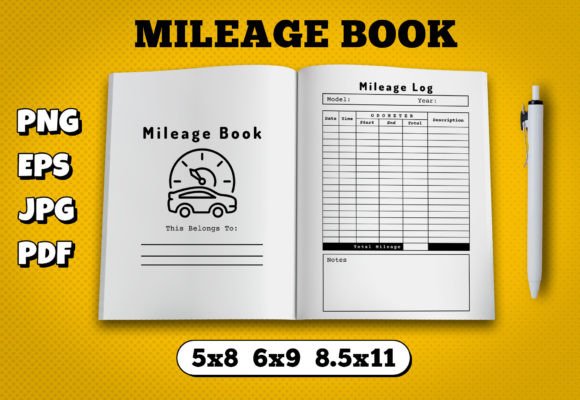
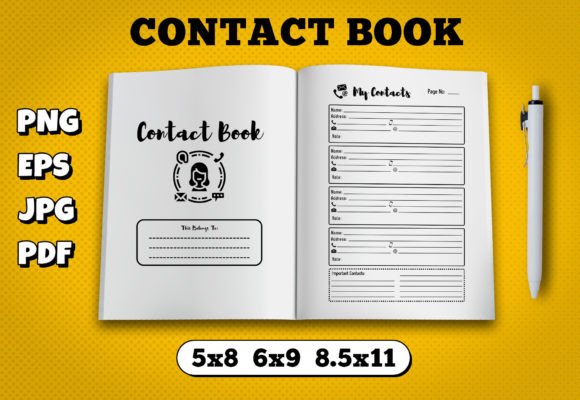
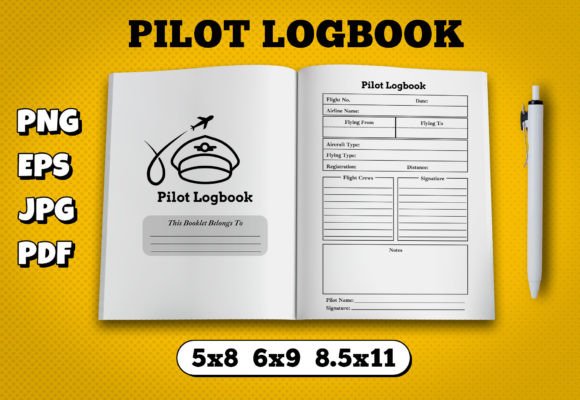
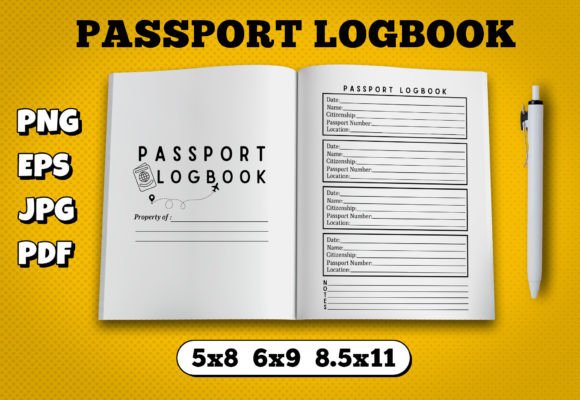
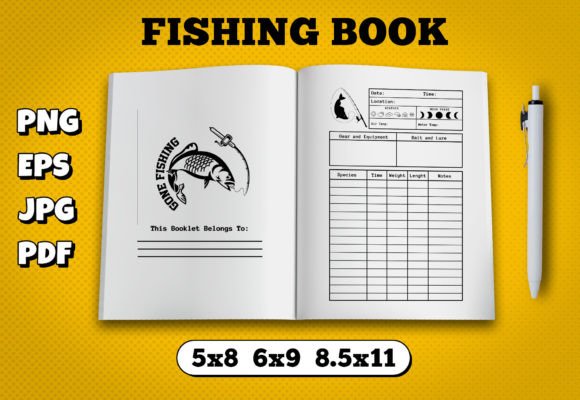
This template offers multiple file formats—JPG, PNG, EPS, PDF—in three popular trim sizes (5x8, 6x9, 8.5x11), all without bleed for straightforward digital use. The provided PDF is ready for immediate upload to KDP, which is a significant technical hurdle removed for many. The core benefit is that it allows you to start with a polished foundation, rather than wrestling with margins, page numbering, and font consistency from a blank slate.
The Beginner's Perspective: Ease and Confidence
For someone new to self-publishing, the process can feel overwhelming. Technical specifications, formatting rules, and design principles create a barrier before the content even gets seen. A Fishing Book Kdp Interior acts as a guided path. It provides the "how" so the author can focus entirely on the "what"—their fishing stories, techniques, or checklists. The assurance that the final PDF meets Amazon's requirements builds confidence and reduces the risk of upload errors or customer complaints about poor formatting.
Consider a novice who has compiled years of fishing trip notes into a Word document. Using this interior, they can simply place their text into the provided structure, resulting in a book that looks credible and market-ready without learning graphic design software. The priority here is overwhelmingly ease of use and reliability.
The Professional and Business Owner's View: Speed and Commercial Value
For the professional publisher or small business owner operating in the niche of outdoor activities, time is a direct cost. Creating unique interiors for each book idea—whether it's a bass fishing journal, a saltwater species tracker, or a fly-fishing technique manual—consumes resources. A versatile Fishing Book Kdp Interior becomes a reusable asset.
Its flexibility is key. The same template can be adapted for various fishing-related books under one brand, ensuring consistent quality while accelerating production. The availability of files like EPS and PNG allows for further customization in advanced design programs if needed, offering a balance between ready-to-use convenience and long-term creative control. The commercial value lies in the ability to quickly test new book ideas on the marketplace, grow a catalog, and respond to trends without significant upfront design investment.
Evaluating the Template Against Your Specific Needs
Not every project requires a pre-made interior. It's important to assess whether this tool aligns with your specific goals. Ask yourself these practical questions:
- Is my primary goal to publish quickly or to craft a uniquely designed art piece? The template prioritizes speed and standard professionalism over bespoke artistic layout.
- Do I possess the skills and time to design a book interior from scratch? If not, the template provides significant learning value by demonstrating proper structure.
- Am I creating a one-off project or building a scalable publishing business? For scalability, the multi-format, multi-size package offers greater utility.
- Is my content purely textual, or does it require complex, integrated visuals? The black-and-white, ready-to-use pages are ideal for text-heavy manuscripts or simple logbooks; complex illustrated guides might need more tailored design.
For example, a freelancer hired to produce a fishing logbook for a client would find this interior a cost-effective solution that ensures a professional deliverable. A consumer looking to print a personal fishing diary for gift purposes can use the files for clean, home-printing results. The template's description mentions usability for "writing in, printing and much more," which underscores this flexible, multi-purpose nature beyond just KDP upload.
Beyond Fishing Books: A Gateway to Wider Publishing
Engaging with a Fishing Book Kdp Interior can also serve as an introduction to the broader world of self-publishing templates. Many creators start with a project close to their passion, like fishing, and then discover the efficiency of using interiors for other genres—journals, planners, sketchbooks. This initial experience reduces the perceived complexity of the publishing platform and encourages further creative or entrepreneurial exploration.
The practical outcome is a tangible product: a book you can sell, share, or use personally. By removing the formatting obstacle, the template places the emphasis back on the content and its value to readers. Whether you're documenting techniques for future generations, creating a commercial logbook for fellow anglers, or simply organizing your own fishing adventures, the right interior template is the silent engine that makes that possible with minimal friction.
Ultimately, the decision hinges on matching the tool's offerings—structured formats, multiple sizing options, and file-type flexibility—with your individual priorities for the project. For many in the fishing community and the self-publishing space, this alignment creates a perfect start, turning an idea into a finished book ready for the world.