The Essential Role of the Passport Log Book in Travel and Publishing
In the world of documentation, both personal and professional, few items carry the symbolic weight and practical utility of a passport. It is a gateway, an identity, and a record of movement. Similarly, a dedicated passport log book serves as a companion to this crucial document, transforming a simple travel credential into a chronicled journey. For the avid traveler, it is a place to record dates, stamps, visas, and memories. For the creative entrepreneur, particularly in the realm of self-publishing, the concept of a passport log book expands into a versatile product—a low-content book interior ready for the digital marketplace.
Beyond the Stamp: Understanding the Passport Logbook's Function
A passport log book, at its core, is a systematized ledger. While the passport itself receives the official imprints from border controls, the log book allows the traveler to add context. Entries might include the date of entry and exit, the purpose of the visit, notable experiences, or even contacts made during the trip. This practice turns a bureaucratic necessity into a personalized archive. For families, it can track children's first international journeys. For business professionals, it can serve as a quick reference for frequent travel schedules and visa expiration dates. The physical act of writing in the log reinforces the memory and creates a tangible artifact distinct from digital photos or social media posts.
The Transition from Personal Use to Publishing Product
The value of this simple, structured format is not lost on the burgeoning community of independent publishers. Platforms like Amazon Kindle Direct Publishing (KDP) have democratized publishing, allowing individuals to create and sell books without the traditional gatekeepers of the industry. Here, the passport log book concept is reimagined as a book interior template—a ready-to-use design that publishers can offer as a digital download or print-on-demand product.
These interiors are designed for what are often termed "low-content" or "no-content" books. Their primary value lies in their format and structure, not in authored text. A well-designed passport logbook interior provides the framework, and the end-user, the traveler, provides the content. This model presents a unique opportunity: creators can build a publishing business by addressing practical, niche needs without the overhead of writing lengthy manuscripts.
Characteristics of a High-Quality KDP Passport Logbook Interior
When evaluating or creating a passport logbook template for self-publishing, certain characteristics define its usefulness and marketability.
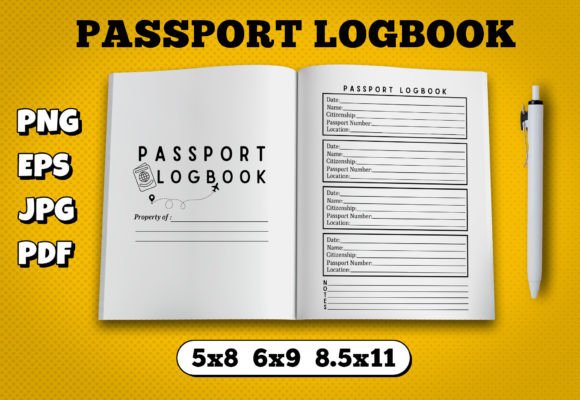
The layout must be intuitive and functional. Sections for country name, date, passport stamp location, and notes should be clearly demarcated and logically ordered. The aesthetic is typically clean and professional, often opting for a black-and-white scheme to ensure clarity and cost-effective printing. Visual embellishments, if any, should not interfere with the primary function of recording information.
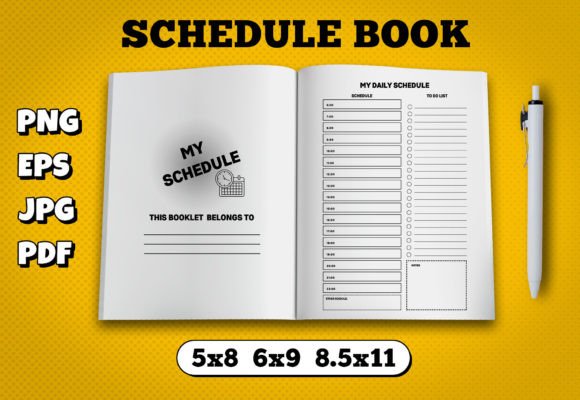
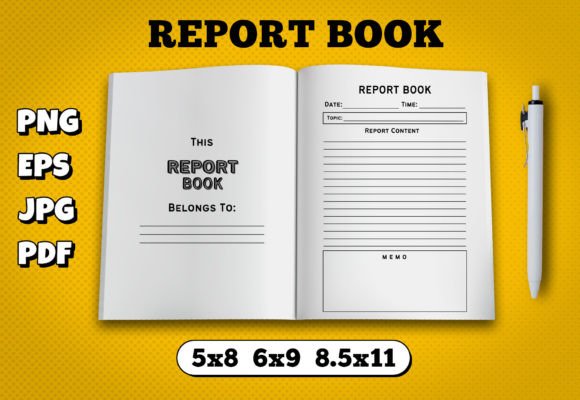
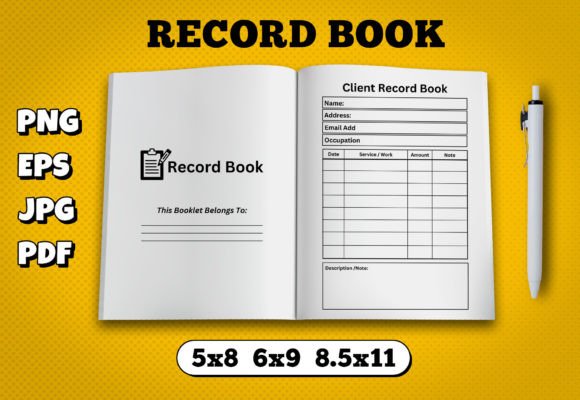
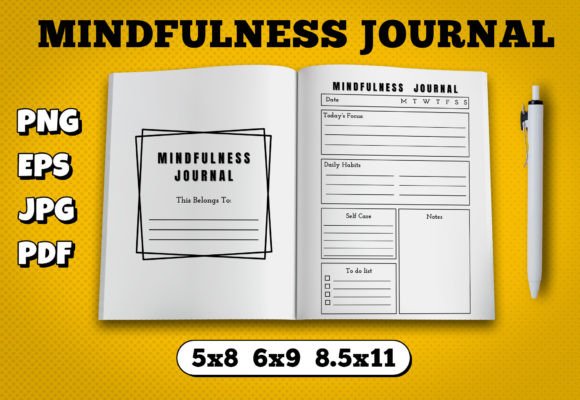
Flexibility in format is a key advantage. A robust template package will offer multiple trim sizes to suit different preferences and publishing requirements. Common sizes include 5x8 inches, 6x9 inches, and 8.5x11 inches (Letter size). Each size caters to a different feel—from a compact travel companion to a larger, more detailed journal. Furthermore, the provision of the interior in various file types such as JPG, PNG, EPS, and PDF increases its utility. The PDF file, specifically formatted without bleed (meaning no margins are required for trimming), is typically the file ready for direct upload to KDP's printing system.
Perhaps the most critical characteristic is its readiness. The phrase "ready to upload" signifies that the publisher receives a finished, technical product. The dimensions, resolution, and file structure are already compliant with the platform's specifications, removing a significant technical barrier for new publishers. This allows the entrepreneur to focus on marketing and business growth rather than graphic design software troubleshooting.
Practical Applications and Diverse Use Cases
The application of a passport logbook KDP interior extends far beyond its obvious travel journal function. Its structured, blank format makes it a versatile tool for various user groups.
- For the Travel Enthusiast and Educator: It serves as its intended purpose—a travel log. Educators leading student trips might use it as a pedagogical tool, requiring students to document cultural observations alongside logistical details.
- For the Creative and Hobbyist: The pages can be repurposed. The clean, lined or sectioned pages are suitable for other forms of writing, sketching travel routes, or even practicing language notes for a forthcoming trip. The digital files allow for personal printing, so a user could print a single copy for themselves without engaging a commercial print service.
- For the Business Owner in Self-Publishing: This is the core use case from the supply side. The interior template is a digital asset. By offering it as a product, a publisher can build a catalog around a theme of productivity and organization. Selling this interior allows a business owner to scale by creating multiple variations (different sizes, slight design alterations) or by branching into related low-content books like generic journals, trip planners, or visa application trackers.
The observation here is that the product bridges two worlds: it is a useful end-item for consumers and a straightforward, replicable commodity for creators. This duality is a hallmark of the low-content publishing niche.
Key Considerations for Publishers and Consumers
For those looking to utilize such a template as publishers, several considerations emerge. First is the understanding of the self-publishing platform's rules regarding content and copyright. The interior must be an original design or properly licensed. Second is market research. While a passport logbook is a niche, understanding competitor offerings and identifying potential gaps—such as including a section for travel budgets or emergency contacts—can enhance a product's appeal.
For the consumer, or the traveler purchasing such a log book, considerations involve physical quality and layout suitability. When ordering a print-on-demand version through KDP, the paper quality and binding are standardized by the platform. The consumer's choice largely revolves around the size and the internal layout: does it have enough entry slots for a year of frequent travel? Is there space for photographs or mementos? The advantage of the digital interior file is that it allows for personal adjustment before private printing, offering a layer of customization not available with pre-printed books.
The Workflow: From Digital File to Published Book
The process for a publisher using a ready-made passport logbook interior exemplifies the efficiency of modern self-publishing. The publisher acquires the ZIP folder containing the digital files in various formats and sizes. After selecting the desired trim size, the publisher uploads the corresponding PDF file (without bleed) to the KDP dashboard. They then design a cover—either through their own skills, a cover creator tool, or a separate service—and combine it with the interior file. Setting the pricing, distribution channels, and description completes the listing.
This workflow highlights the "low-content" nature. The publisher is not involved in writing, complex formatting, or pagination. Their role is curatorial and entrepreneurial: they select or create a useful template, ensure its technical compliance, and bring it to market. This model can significantly lower the barrier to entry for new business owners on the platform.
For the end-user traveler, the workflow is simpler. They either purchase a physical copy printed and shipped by the print-on-demand service, or they purchase the digital interior file for personal use. In the latter case, they can use the PDF or other file formats for writing in digitally, printing at home or a local print shop, or even incorporating sections into a broader digital travel portfolio.
Growing a KDP Business with Structured Interiors
The initial offering of a passport logbook interior can be the first step in building a broader publishing business on platforms like KDP. The principles learned—formatting, uploading, marketing a niche product—are directly transferable. Many successful publishers expand by creating complementary products. As mentioned, shops often offer a range of beautiful KDP interiors including journals, notebooks, organizers, trackers, planners, sketchbooks, checklists, and mandala coloring books.
Each of these products serves a similar need: providing a structured, blank, or lightly decorated space for users to fill with their own content. The passport logbook fits neatly into this category of "organizer." By establishing a shop with a cohesive style or theme, a publisher can attract a returning customer base interested in personal organization tools. The key is to prioritize usefulness and clarity in design, ensuring that each interior, from a daily planner to a travel log, genuinely aids the user in recording and structuring information.
In conclusion, the passport log book represents a fascinating intersection of personal utility and entrepreneurial opportunity. It is a practical tool for documenting life's journeys and a viable, scalable product model in the world of self-publishing. Its success hinges on a clear understanding of its dual audience: the traveler seeking a memory-keeping system, and the publisher seeking a streamlined path to business growth. By focusing on robust design, technical readiness, and real-world applications, both parties can find significant value in this seemingly simple, yet profoundly useful, format.