Essential Guide: Finding Your Perfect Mileage Book Kdp Interior
In the vast world of Kindle Direct Publishing (KDP), low-content and no-content books have carved out a significant niche. Among these, the mileage book stands as a practical and popular choice for drivers, travelers, and businesses needing to track travel expenses. But the journey to a successful KDP publication begins not with the idea, but with the execution. That execution hinges on one critical element: a professional, ready-to-use interior template.
Why a Premium Interior is Your Foundation
Imagine you have a fantastic concept for a mileage log book. You know there's an audience. You've done your research. Now, you're faced with the daunting task of designing every page—layout, margins, headers, page numbers. For many aspiring publishers, this technical hurdle is where projects stall. This is precisely where a specialized Mileage Book Kdp Interior becomes your greatest asset.
These interiors are not just blank pages. They are expertly crafted digital templates designed to meet Amazon KDP's specific formatting requirements. They provide the perfect start, transforming you from someone with an idea into a publisher with a market-ready product. By using a simple, editable interior, you bypass weeks of learning complex design software. Instead, you invest your energy in marketing and growing your business.
The Anatomy of a Ready-to-Use Mileage Log Template
What exactly do you get when you purchase a high-quality KDP interior? Let's break down the typical offerings and their importance.
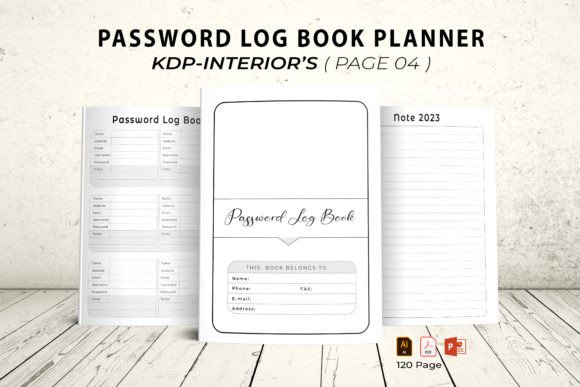
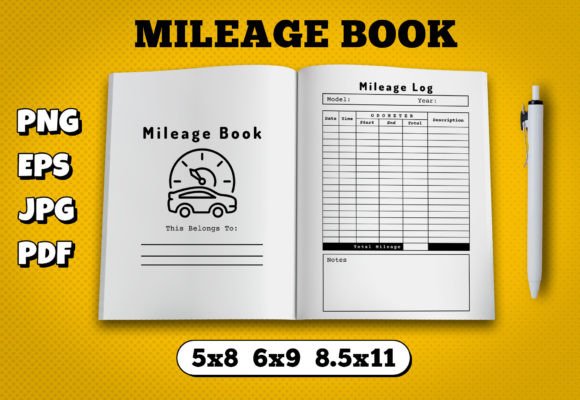
The core of the product is the manuscript itself. A good Mileage Book Kdp Interior will feature clean, logical layouts for recording dates, distances, purposes, and notes. The design is functional and clear, presented in black and white as required by most standard KDP print options. This black-and-white format isn't a limitation; it ensures crisp, professional printing and keeps your production costs low.
But the utility extends far beyond just uploading to Amazon. Because the file is editable, you have incredible flexibility. You can use this manuscript for other things, like writing in custom instructions, printing physical copies for personal use, or even adapting sections for a different kind of log. It's a versatile digital asset.
The Critical Details: File Formats and Sizes
Understanding the technical specifications is key to a smooth publishing process. A comprehensive interior package provides multiple file formats and trim sizes, giving you options to suit your exact publishing strategy.
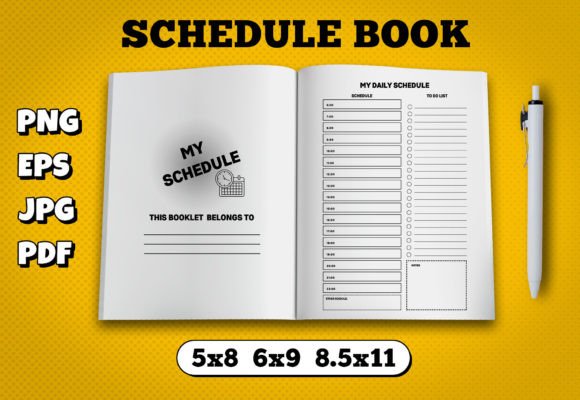
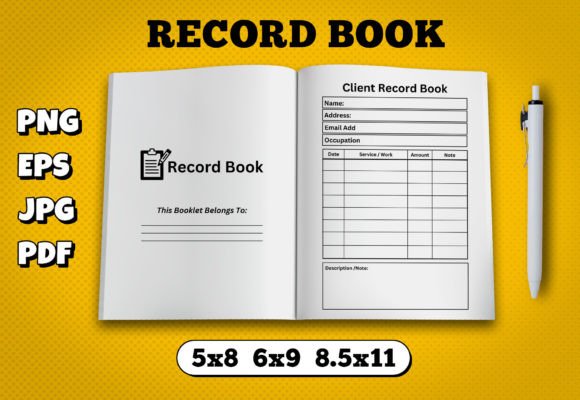
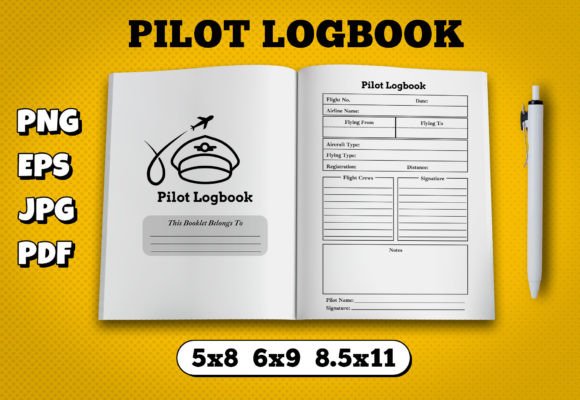
Commonly, you will receive a ZIP folder containing digital files for the most popular KDP trim sizes:
- 5x8 inches: A compact and portable size, perfect for a pocket or glove-box log.
- 6x9 inches: Perhaps the most popular standard size for journals and logs, offering a good balance of readability and page count.
- 8.5x11 inches: The classic full-size, ideal for comprehensive logs with more writing space or for business use.
For each size, you typically get a suite of file formats: JPG, PNG, EPS, PDF. The JPG and PNG files are useful for previews or if you need image-based pages. The EPS file is a vector format for advanced editors. The most important file is the PDF without bleed. This PDF is ready to upload directly on Amazon KDP. The "no bleed" specification means it is formatted for the standard interior where images and text do not extend to the edge of the page, which is correct for a text-based mileage log.
Having all these formats means you are covered for any need—KDP upload, further editing, or even creating promotional materials.
Growing Your KDP Business Efficiently
How does this fit into a modern self-publishing workflow? The ethos of platforms like KDP is agility and scale. Time is your most valuable resource. By starting with a ready-made, fantastic mileage KDP interior, you compress the production timeline from months to days. You can launch your book quickly, test the market, and gather real customer feedback.
This approach allows you to focus on the business aspects: keyword research, cover design, pricing strategies, and marketing. Instead of being a designer, you become a publisher. You can iterate faster. If your mileage book succeeds, you can use the same foundational knowledge and similar interior templates to expand your catalog into related areas—a vehicle maintenance log, a travel expense tracker, or a trip planner.
Beyond the Mileage Book: Expanding Your Catalog
The initial purchase of a Mileage Book Kdp Interior often opens the door to a broader publishing venture. Many shops that offer these specialized interiors also provide a wide range of other low-content book templates.
Once you're comfortable with the process of using an editable template, you can consider growing your kindle direct publishing business 📦 with complementary products. Think about journals, notebooks, organizers, planners (or organisers), trackers, sketchbooks, checklists, and even creative books like mandala coloring pages or diaries. Each of these represents a new audience and a new revenue stream, and they all share the same production advantage: a pre-formatted, professional interior ready for customization.
This is the modern model for a successful KDP entrepreneur. It's not about creating one perfect book. It's about building a streamlined system to produce a portfolio of books that meet various consumer needs, all while maintaining high quality and professional standards.
Practical Considerations Before You Choose
When evaluating an interior template, consider a few key factors. First, compatibility: Ensure the template is truly editable with the software you have (like Adobe Illustrator, Canva, or even PDF editors). Second, clarity: The layout should be intuitive for the end-user. A mileage book needs clear labels for columns and ample writing space. Third, comprehensiveness: Does the package include all the sizes you might want to publish? Buying a bundle that covers 6x9 and 8.5x11, for example, gives you future options.
Finally, consider the source. Shops that specialize in KDP interiors often have a deep understanding of Amazon's guidelines. Their products are more likely to be technically sound, avoiding common pitfalls like margin errors or page number issues that can lead to publishing delays or customer complaints.
Adopting this method is a strategic choice. It moves you from the realm of hobbyist to that of a serious publisher. You leverage the expertise of designers who understand KDP's platform, freeing you to focus on what you do best: identifying niches, connecting with audiences, and growing your publishing business one successful book at a time.