Your Essential Guide to Very Easy Sudoku for Kids 82: A Ready-to-Use Resource
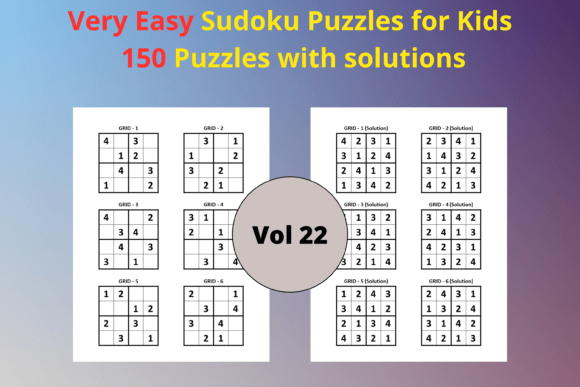
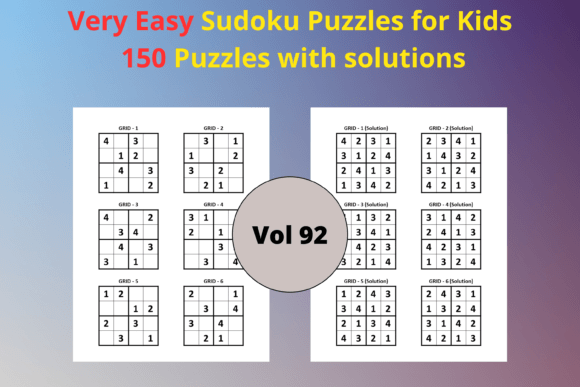
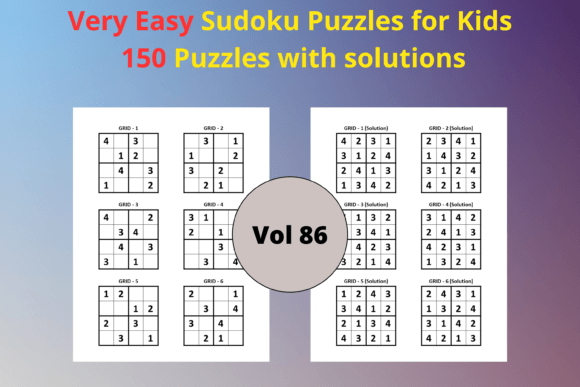
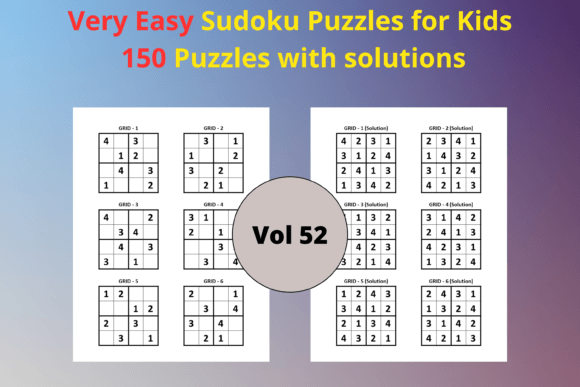
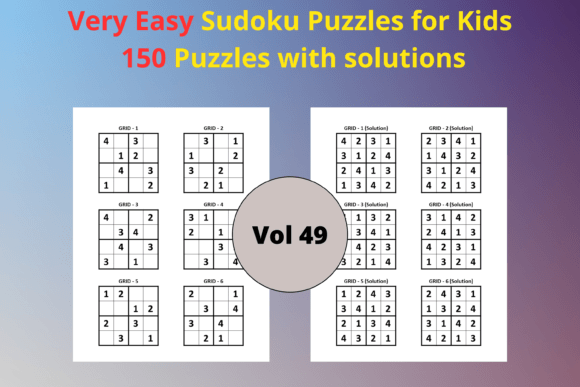
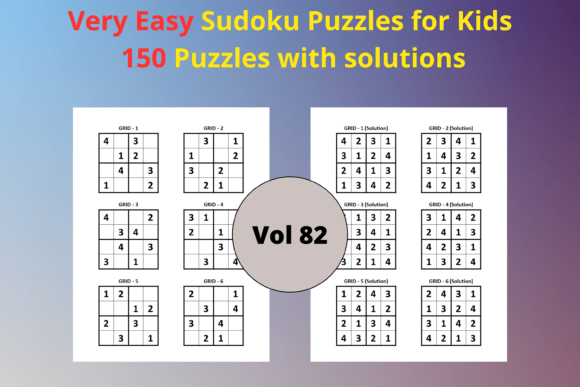
If you are an educator, a parent looking for engaging activities, or a creator developing educational materials, you've likely encountered resources like Very Easy Sudoku for Kids 82. This specific offering, which bundles 150 different 4x4 puzzles with their solutions, presents a fantastic opportunity. It’s designed as a complete KDP interior, meaning it’s formatted for self-publishing platforms like Amazon Kindle Direct Publishing, and comes in both a print-ready PDF and an editable PPTX file. The appeal is clear: a massive, ready-made collection of simple puzzles that can save you countless hours of design and creation. However, the ease of "ready to upload" can sometimes lead to overlooking crucial details that impact the final product's quality and its reception by your young audience.
The Common Oversight: Assuming "Very Easy" Means Uniformly Simple
A primary misunderstanding when evaluating such a pack is interpreting the "Very Easy" label as a guarantee that every puzzle is identical in difficulty. In reality, even within a 4x4 grid and a curated collection of 150 puzzles, there will be a natural progression and variation in challenge. A pack like Very Easy Sudoku for Kids 82 should ideally offer a gentle curve, allowing children to build confidence. A common mistake is to present these puzzles in a random order or to use the pack without first reviewing the sequence. This can lead to a child encountering a slightly more complex puzzle too early, causing frustration and diminishing the educational value of the activity.
The practical effect is a loss of engagement. Instead of fostering a love for logic puzzles, a poorly sequenced set can make the activity feel inconsistent and discouraging. To avoid this, leverage the editable PPTX file provided. Before uploading the PDF or printing the pages, take an hour to scroll through the PowerPoint presentation. Organize the puzzles yourself, perhaps grouping them into beginner, intermediate, and advanced-easy sections, even within this "very easy" category. This simple act of curation turns a generic pack into a tailored learning tool, significantly enhancing its usability and the child's satisfaction.
Neglecting the Presentation Beyond the Grid
Another area often overlooked is the overall presentation. The product specs state the size is 8.5 x 11 inches, which is standard US Letter paper. This is perfect for printing or digital display. However, creators sometimes focus solely on the Sudoku grids themselves and forget about the page's context. Are the pages cluttered? Is there ample space for a child to write comfortably? Does the solution page follow the puzzle page clearly? A poorly formatted interior, even with great puzzles, can look unprofessional and be difficult for kids to use.
This directly affects the perceived quality of your final product, whether it's a printed book you sell or a handout you use in class. Before committing to the pack, use the provided files to check a few sample pages. Print one or view it at full size on your screen. Look at the margins, the font size of the numbers (if any are pre-filled), and the clarity of the solution pages. The editable PPTX file is your safety net here. You can adjust spacing, add instructive headings like "Puzzle 1" and "Answer 1," or even include simple encouragement or rules at the bottom of the page. This transforms a bare-bones template into a polished, child-friendly activity sheet.
The Pitfall of Forgetting the Dual-File Utility
A key feature of Very Easy Sudoku for Kids 82 is the inclusion of both a PDF and a PPTX file. The PDF is locked, ready for upload or printing. The PPTX is editable in programs like PowerPoint or Google Slides. A significant error is treating this as merely a backup option and only using the PDF. The editable file is not just an alternative; it's the tool for customization and adaptation. By ignoring it, you miss the chance to brand the materials, adjust difficulty sequences as mentioned, or even translate instructions if needed for a different audience.
For example, a blogger creating free resources for their audience can use the PPTX to add their website logo or a personalized message. An educator can integrate a few puzzles from the pack into a larger, themed worksheet about numbers and logic. The efficiency gain is substantial. You start with 150 professionally laid-out puzzles, and with minimal editing, you can make them uniquely suited to your specific project, saving dozens of hours compared to building from scratch. Always evaluate both files upon download. Open the PPTX and ensure you have the software to edit it comfortably. This check ensures you can fully utilize the value you've purchased.
Underestimating the Importance of Solution Layout
The pack includes 150 solutions, which is a tremendous help. However, the placement and presentation of these solutions are critical. A common oversight is not considering how a child (or a parent/teacher checking work) will access the answer. Are the solutions on a separate page following each puzzle? Are they all compiled at the end of the document? The latter format can be frustrating for daily use, requiring constant page flipping.
This affects communication and ease of use. A well-designed solution layout supports independent learning and quick verification. When reviewing the product files, pay close attention to how the solutions are integrated. If they are grouped at the end, consider using the PPTX file to reposition them. A better approach is to have each solution immediately follow its corresponding puzzle, perhaps on the next page or even on the same page if space allows (using a cut line or a different section). This small design choice, made before you publish or print, makes the entire resource more intuitive and user-friendly, directly boosting its practical value.
In summary, resources like Very Easy Sudoku for Kids 82 offer a powerful shortcut for creators and educators. The pitfalls are not in the puzzles themselves, but in how we implement the ready-made files. By actively reviewing the puzzle sequence, enhancing the page presentation, leveraging the editable PPTX for customization, and optimizing the solution layout, you elevate a standard template into a standout educational tool. This proactive, detail-oriented approach ensures the 150 puzzles deliver maximum engagement, learning, and satisfaction for the young minds you're aiming to inspire. Always remember that the "ready to upload" label is a starting point; your thoughtful adjustments are what make the final product truly successful.