The Practical Appeal of a Mood Tracker Kdp Interior for Self-Publishing
The landscape of self-publishing has democratized creativity and entrepreneurship, allowing individuals to turn ideas into products with unprecedented ease. Within this space, KDP interiors have emerged as essential tools, providing ready-made formats that bypass the technical hurdles of design and layout. Specifically, a Mood Tracker Kdp Interior represents a niche yet powerful entry point. It combines the growing public interest in mindfulness and self-care with the practical business model of low-content or no-content publishing on platforms like Amazon Kindle Direct Publishing.
Understanding the KDP Interior Ecosystem
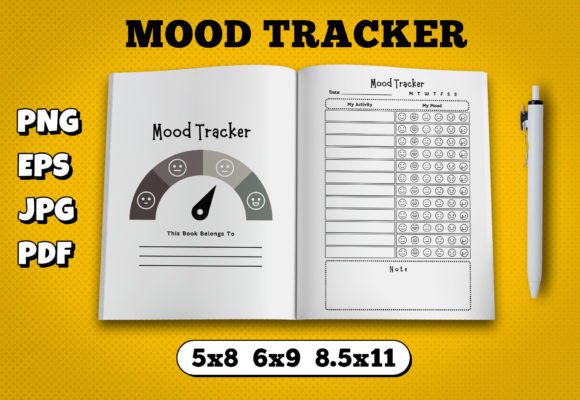
A KDP interior is a pre-designed, editable template for the inside pages of a book. These templates are formatted to meet Amazon's technical specifications, ensuring compatibility and a professional appearance upon upload. The value proposition is straightforward: they save time, eliminate design costs, and reduce the learning curve for new publishers. For topics like mood tracking, which require specific layouts—such as daily, weekly, or monthly grids for logging emotions—a professionally structured interior is not just convenient; it’s foundational. It allows a creator to focus on the concept and marketing of their book, rather than wrestling with page margins, alignment, and file formats.
Why Mood Tracking Resonates in Modern Publishing
The interest in mood trackers isn't fleeting. It's rooted in broader cultural shifts towards proactive mental well-being and data-driven self-awareness. Journals, planners, and trackers have moved from simple diaries to tools for insight. People use them to identify patterns in their emotional health, manage stress, and complement therapeutic practices. This creates a steady market demand. By offering a Mood Tracker Kdp Interior, you are tapping into a content category that serves a genuine, growing user need. It’s a product that can be both a useful tool for the end-reader and a viable, low-overhead business asset for the publisher.
The Business Logic of Low-Content Books
Low-content books, like trackers, journals, and planners, are a cornerstone of many successful KDP businesses. Their interior design is paramount, while the required written content is minimal. This model appeals to a wide range of self-publishers: from entrepreneurs looking to build a portfolio of digital products, to hobbyists exploring creative outlets, to professionals seeking to monetize their design skills. The key to success often lies in the quality and adaptability of the interior template itself.
Consider the practical implications. A well-designed, editable mood tracker interior provides a perfect start. You acquire a digital product that is ready to be customized—perhaps with a unique cover, a modified title page, or a specific introductory note—and then uploaded. The operational friction is minimal. This accessibility lowers the barrier to entry, enabling more people to participate in self-publishing and test market ideas without significant upfront investment.
From Template to Product: Flexibility Beyond Kindle
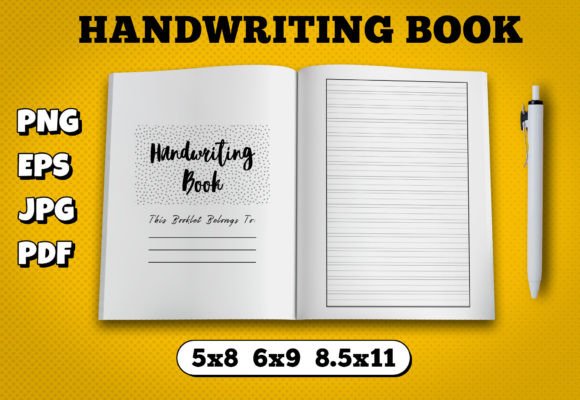
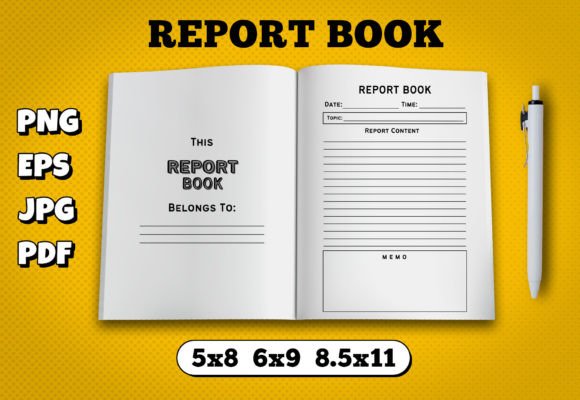
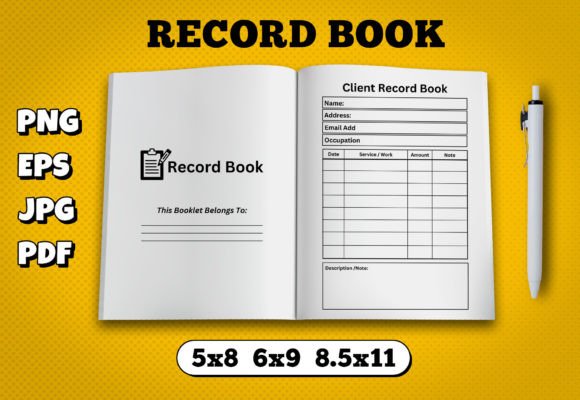
A robust KDP interior offers utility beyond the immediate goal of publishing on Amazon. The described template, available in multiple file formats like PDF, JPG, PNG, and EPS, and in standard sizes (5x8, 6x9, 8.5x11), unlocks secondary uses. The black-and-white, ready-to-use pages can be utilized for physical writing, personal printing, or even as a base for other digital projects. This multi-use potential increases the value for the purchaser. It’s not just a single-purpose file; it’s a versatile asset. For instance, an educator might print pages for a classroom wellness activity, or a therapist might incorporate them into client materials, all stemming from the same core template.
Technical Simplicity as a Strategic Advantage
The technical specifications of a good interior template are deliberately straightforward. Files without bleed are perfect for beginners, as they simplify the upload process to KDP. Having the PDF file ready for direct upload removes a major technical obstacle. Bundling all digital files into a single ZIP folder streamlines delivery and organization. These thoughtful details are not minor; they are critical for user experience. They align with modern workflows where efficiency and clarity are prized, especially for individuals who may be managing publishing alongside other professional or personal commitments.
Furthermore, the availability in vector formats like EPS provides scalability for creators who wish to make more significant modifications using professional design software, while the raster formats (JPG, PNG) cater to simpler uses. This inclusive approach to file types ensures the template serves a diverse audience with varying levels of technical skill.
Building a Publishing Portfolio with Complementary Interiors
The journey often begins with a single product, like a mood tracker. However, the natural progression for a self-publisher is to build a portfolio. This diversifies income streams and caters to interrelated interests. The suggestion to visit the shop for more beautiful KDP interiors—such as journals, notebooks, organizers, planners, sketchbooks, and checklists—speaks to this strategic growth. A mood tracker can be the first entry in a curated collection of wellness or productivity tools. This portfolio approach leverages cross-promotion and builds brand recognition within a specific niche on the self-publishing platform.
Realistic Expectations and Grounded Growth
While the tools and templates provide an excellent foundation, success in KDP publishing requires more than just a quality interior. It involves understanding basic keywords, cover design that communicates value, and a realistic approach to market competition. The mood tracker niche, while established, still rewards uniqueness and quality. Using an editable template allows you to control that quality from the outset. The recommendation to "grow your Kindle Direct Publishing business now" is best interpreted as a call to action backed by a practical tool. It’s an invitation to start the process with a correctly formatted product, removing one of the most common initial roadblocks.
The evolution of self-publishing is towards greater specialization and quality at the entry level. A Mood Tracker Kdp Interior fits precisely into this evolution. It responds to a specific user habit (tracking mental well-being) and a specific creator need (a technically sound, adaptable template). It doesn’t promise instant success, but it provides the correct, professional-grade materials to begin the endeavor. This alignment between a societal trend, a market opportunity, and a streamlined creator tool is what makes such a product relevant and valuable for the wide audience of adults exploring self-publishing today.