The Modern Family Organizer: A Guide to Editable Family Planner Templates for KDP
In the whirlwind of daily life, managing a household requires more than good intentions; it requires a system. For many, a physical planner becomes the cornerstone of that system, a tangible hub for schedules, goals, and memories. The rise of independent publishing through platforms like Amazon Kindle Direct Publishing has democratized the creation of such tools, leading to the emergence of professional, Editable Family Planner Planner for KDP products. These digital templates offer creators a powerful foundation to build and sell customized organizational aids tailored to the modern family's needs.
Beyond Static Pages: The Core Advantage of Editable Source Files
The defining characteristic of a true KDP-focused family planner template is the inclusion of an editable source file. This is typically a file created in a design software like Adobe InDesign or Canva, provided in its original, adaptable format. Unlike a final PDF, this editable file allows a purchaser to modify every element. They can change fonts, adjust color schemes to match personal branding, reposition sections, or even translate content into another language. This transforms the product from a fixed, off-the-shelf planner into a versatile toolkit. A creator can purchase one high-quality Editable Family Planner Planner For KDP Interiors template and use it to generate multiple unique derivatives, catering to different niches—such as planners for large families, minimalist households, or homeschool parents—without needing advanced graphic design skills from scratch.
Technical Specifications for Professional Results
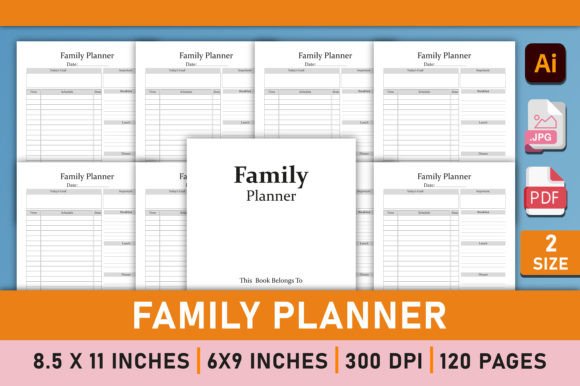
Understanding the technical requirements for Amazon KDP is crucial for anyone using these templates to publish. The provided files, such as the high-quality print-ready PDFs, are pre-configured to meet these standards. The common trim sizes of 8.5x11 inches and 6x9 inches cater to popular paperback formats. The use of CMYK color mode ensures the colors are optimized for professional printing, not just screen display. A resolution of 300 DPI guarantees sharp text and graphics, while the "no bleed" specification indicates the design is safe for standard interior pages where the ink stops before the edge. These pre-configured settings remove a significant barrier, allowing creators to focus on content and customization rather than complex print logistics.
The Anatomy of a Functional Family Planner
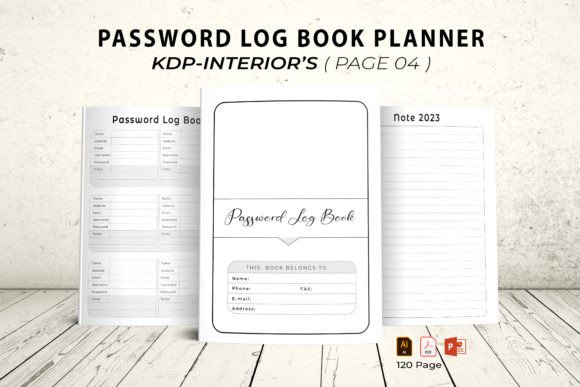
While designs vary, a well-structured family planner interior typically begins with a "Belongs to" page, personalizing the book for its owner. The core content spans 120 pages or more, systematically organized. Key sections often include a yearly calendar overview, monthly spreads for at-a-glance planning, weekly and daily scheduling grids with ample writing space, dedicated areas for meal planning and grocery lists, trackers for household budgets and bills, pages for family goals and project planning, and sections for important contacts and medical information. The real-world relevance lies in consolidating these disparate strands of family management into one coherent, portable volume, reducing the cognitive load of juggling multiple digital apps and paper scraps.
Observations from users indicate that the physical act of writing in a shared family planner can also enhance communication and accountability among family members. A weekly schedule visibly displayed encourages discussions about commitments and free time, while a shared meal plan can streamline grocery shopping and reduce last-minute decisions.
Primary Users and Diverse Applications
The audience for these planners and the templates used to create them is broad. Consumers are the end-users, families seeking order in their chaos. Creators—a growing segment of entrepreneurs, graphic designers, and content creators—use the editable templates as a business tool to publish under their own brand on KDP. Educators might adapt them into classroom management or student project planners. Researchers studying time management or family dynamics could utilize them as structured data collection tools. Even hobbyists, such as those involved in complex family genealogy projects or event planning for large reunions, find the structured layouts invaluable. The editable nature means a single base template can be bent to serve these vastly different intents.
Workflow from Template to Published Book
The practical workflow for a creator begins with selecting a template that aligns with their vision. Upon purchase, they receive the package: the editable source file, the ready PDFs, and often JPG files for promotional use. Using the editable file, they personalize the content. This might involve inserting their brand logo, adjusting the color palette to evoke a specific feeling—calming pastels for a wellness-focused planner, vibrant primary colors for a kid-centric one—and perhaps adding or removing pages to suit a targeted market. After customization, they generate a new print-ready PDF from their modified source file. The final step is uploading this PDF, along with a cover, to the Amazon KDP platform, setting their price, and publishing. The entire process leverages the professional groundwork of the original template design to produce a market-ready product efficiently.
Key Considerations When Utilizing Planner Templates
While the advantages are significant, several considerations are important. First, creators must ensure their final modified product remains distinct enough to avoid issues with originality on publishing platforms. Adding substantial value through unique content, additional pages, or a strongly differentiated design theme is essential. Second, understanding the limitations of the editable file is necessary; one must have access to and basic proficiency with the required software to edit it. Third, from an SEO and marketing perspective, when publishing the final planner, thoughtful keyword use in the product title and description is vital. Naturally incorporating terms like "family organizer," "household management planner," and "editable KDP template" within descriptive copy can help potential customers find the product.
Furthermore, the trend in family planning tools is moving towards integration. Some creators are using these editable templates as a base to design planners that bridge physical and digital habits, incorporating pages for logging online purchases or tracking screen time agreements. This responsiveness to evolving family needs showcases the flexibility of the template model.
The Role of Quality Design in Perceived Value
The unique design mentioned in the template specifications is not merely an aesthetic point. In the competitive space of KDP publications, design quality directly impacts perceived value and usability. A clean, intuitive layout with logical visual hierarchy helps the user navigate the planner effortlessly. Thoughtful typography with clear headings and readable body fonts reduces eye strain. Well-balanced white space prevents the pages from feeling cluttered and intimidating. When a creator uses a high-quality Editable Family Planner Planner For KDP Interiors, they inherit this professional design integrity, which becomes a feature of their own published book. It signals to the buyer that the product is carefully crafted, increasing its authority and the likelihood of positive reviews and repeat purchases.
Ultimately, these editable planner templates represent a symbiotic toolset. They empower designers to efficiently share their professional layouts with a wider audience of creators. They then empower those creators—whether business owners, educators, or organized hobbyists—to build and share tailored organizational tools that meet the specific, real-world challenges of managing a home and family life. The cycle from editable file to physical book in a customer's hands underscores a modern path to creating practical, helpful content for everyday life.