The Bill Tracker Kdp Planner: Your Digital Solution to a Tangible Financial Habit
In a world buzzing with budgeting apps and digital notifications, the physical act of writing down your bills and payments holds a unique, grounding power. The Bill Tracker Kdp Planner bridges this gap, offering a meticulously designed printable organizer that transforms the often stressful task of bill management into a structured, clear, and satisfying process. It’s more than just a template; it’s a ready-to-use system packaged for creators, entrepreneurs, and individuals alike, providing a tangible tool to combat financial chaos.
Who Needs a Printable Bill Payment Tracker?
You might think a simple notebook could serve the same purpose, but a dedicated tracker brings intentionality. Consider the freelance graphic designer juggling multiple client payments, software subscriptions, and irregular utility bills. Their financial inflow and outflow are asynchronous and complex. A generic notebook becomes a messy scrawl, but a Bill Tracker Printable provides dedicated logs for due dates, amounts paid, and payment methods, creating a single, authoritative source of truth. This clarity is invaluable during tax season or when reviewing monthly cash flow.
Similarly, a family managing a household budget benefits immensely. With mortgage, car payments, insurance, and children’s activities, the list is long and recurring. A shared bill pay checklist on the kitchen fridge, filled out together, fosters financial transparency and responsibility within the family unit. It turns bill payment from a solitary, stressful admin task into a shared household operation. For the recent graduate navigating their first apartment and credit card statements, this planner acts as a foundational financial training tool, building the habit of tracking and planning before automatic payments become the norm.
Beyond Personal Finance: The KDP Creator’s Toolkit
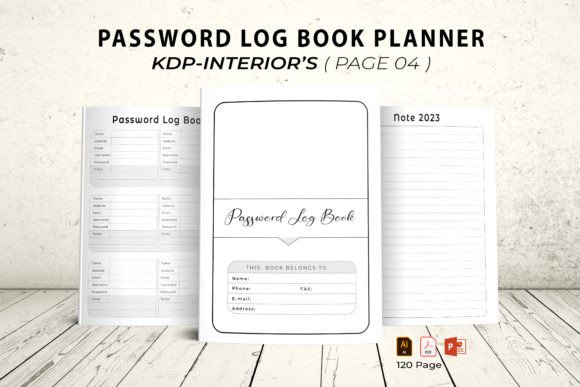
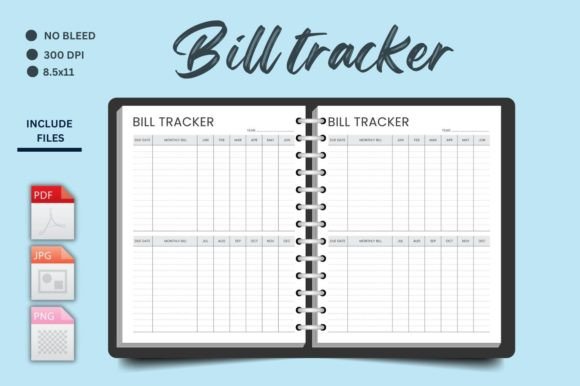
The “Kdp Planner” aspect speaks directly to a vibrant community: Amazon Kindle Direct Publishing (KDP) entrepreneurs. For these creators, this product isn’t just a personal tool; it’s a commercial asset. The included files – a 120-page interior, high-resolution JPG and PNG, and a print-ready PDF – are designed as a complete, no-bleed interior ready for instant upload to KDP. This means an author or designer can take this template, potentially customize it, and publish it as a standalone “Monthly Bill Tracker Log Book” for sale on Amazon without worrying about technical formatting issues.
This opens up scenarios for side businesses. A financial coach might purchase the planner, add their own branding and introductory pages, and sell it as a complementary tool to their coaching services. A blogger focusing on minimalist living could use it as a giveaway or a low-content product to sell to their audience. The “commercial use” nature and its status as a “ready to upload” template remove the barrier of complex design software, allowing anyone with a financial insight to quickly produce a professional product.
Navigating Real-World Financial Scenarios
Let’s explore how this organizer functions in specific situations. Imagine a couple planning for a major vacation. Using the bill payment tracker, they can first list all their regular monthly obligations. Then, in a dedicated section, they can start logging the extra savings transfers they’re making towards their trip fund, treating it like a bill to themselves. This visual progress is motivating and ensures their daily expenses don’t erode their savings goal.
Another scenario involves managing annual or semi-annual bills. These are often the ones that slip through the cracks because they don’t recur monthly. The tracker provides a space to note these alongside monthly bills, with reminders for when they’re due next. For a small business owner, this could include business license renewals, domain hosting fees, or accounting service payments. Consolidating these into one planner, separate from their business accounting software, offers a simple, human-reviewed checkpoint.
The structure also aids in spotting patterns. After consistently logging payments for three months, a user might visually notice that their “miscellaneous” category is consistently high. This prompts a deeper investigation – are these impulse purchases? Unrecorded subscriptions? The tracker becomes a diagnostic tool, not just a recording one.
Considerations Before Using a Printable System
Choosing a printable Bill Tracker Kdp Planner over a digital app comes with practical considerations. The obvious requirement is access to a printer and a willingness to maintain a physical binder or folder. This system favors those who prefer a tactile experience or who want to disconnect from screens during financial management. It also provides absolute data privacy, existing entirely offline in your home.
However, its limitation is automation. It won’t send you reminder alerts or automatically sync with your bank account. Its strength is in the conscious, manual engagement it requires, which for many, builds stronger financial discipline. Before adopting it, think about your consistency. Will you reliably update it each time a bill is paid? Placing it in a high-visibility location, like next to your computer monitor, is key to success.
For KDP publishers using it as an interior template, the considerations are technical. The product specs – US Letter size (8.5″ x 11″), no bleed, 300 DPI high-resolution files – are perfectly aligned with Amazon KDP’s requirements, minimizing upload rejection risks. The “100 Tested on Amazon KDP” claim is a significant reassurance. Publishers should consider how they might personalize it, perhaps by adding a cover design and introductory pages to increase its value as a standalone journal or workbook.
The Versatility of a Simple Template
The described planner, while focused on bill tracking, embodies the broader potential of KDP interiors. The same foundational layout principles can inspire variations. A “Monthly Bill Tracker Note Book” might include more note pages for jotting down calls made to service providers or reasons for payment discrepancies. A “Monthly Bill Tracker Work Book” could incorporate quarterly review sections with prompts to analyze spending trends and set new budget goals.
This adaptability means the product serves multiple audiences. The “for kids workbook” keyword hint suggests that even children’s financial education can be scaffolded with simplified versions. A parent could use a derivative of this template to create a chore-and-allowance tracker, teaching kids the basics of recording “income” and “expenses.” The editable and customizable nature of such files is their core power. They are starting points, not endpoints.
Ultimately, the Bill Tracker Kdp Planner and its associated printable files represent a fusion of practical personal finance and digital entrepreneurship. It provides a concrete method for individuals to gain control over their obligations, and simultaneously, it offers a polished, problem-solving product for the KDP marketplace. Whether you’re using it to finally organize your scattered due dates or to publish your first low-content book, its value lies in transforming a common stress point into an opportunity for order and clarity.